
Empowering youth through traditional arts and music is about more than preserving the past; it is about shaping confident, creative, and grounded generations for the future. Across many African communities, traditional music, dance, storytelling, and craftsmanship have always played a central role in education, identity, and social cohesion. Today, as young people face rapid cultural change, unemployment, and disconnection from heritage, these art forms offer powerful tools for learning, self-expression, and opportunity. This topic matters because when youth are rooted in their culture, they are better equipped to navigate the modern world with purpose and pride.
Sometimes, the simplest moments hold the deepest wisdom. Let your thoughts settle, and clarity will find you.
Traditional arts carry knowledge that cannot be learned from books alone. Rhythms teach discipline and listening, dance builds confidence and cooperation, and storytelling passes on values, history, and ethics. When young people engage with traditional music and arts, they gain more than technical skills; they develop a sense of belonging and identity. Elders become teachers, culture becomes a classroom, and creativity becomes a bridge between generations. These practices also encourage innovation, allowing youth to reinterpret tradition in ways that speak to contemporary realities..
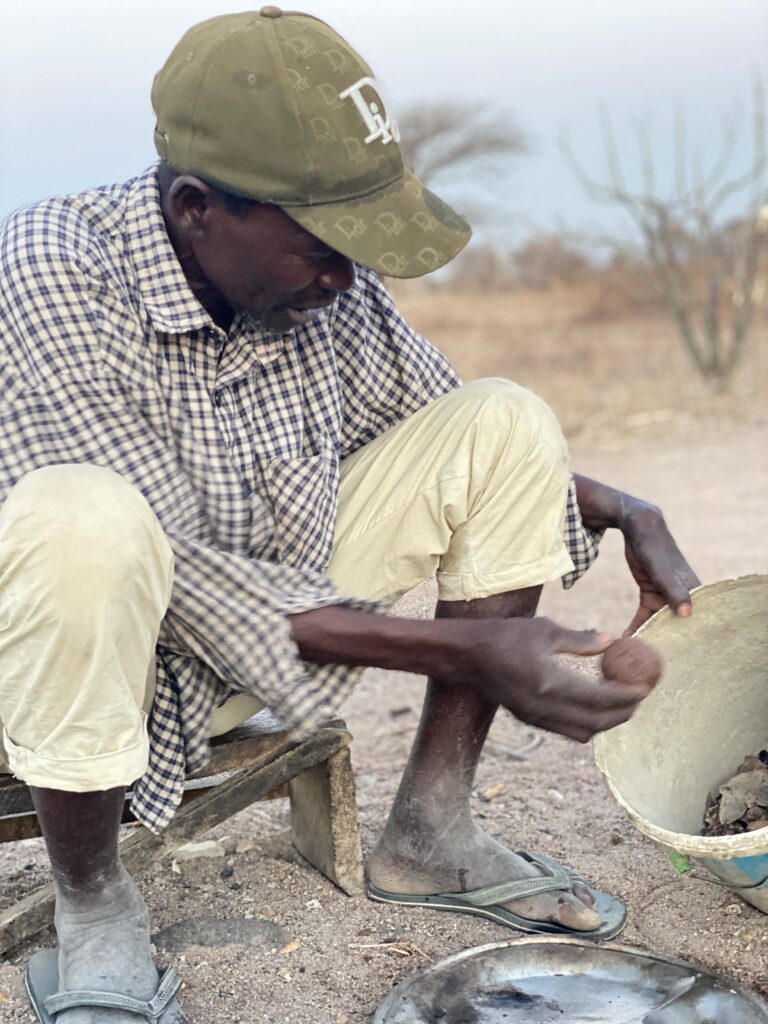
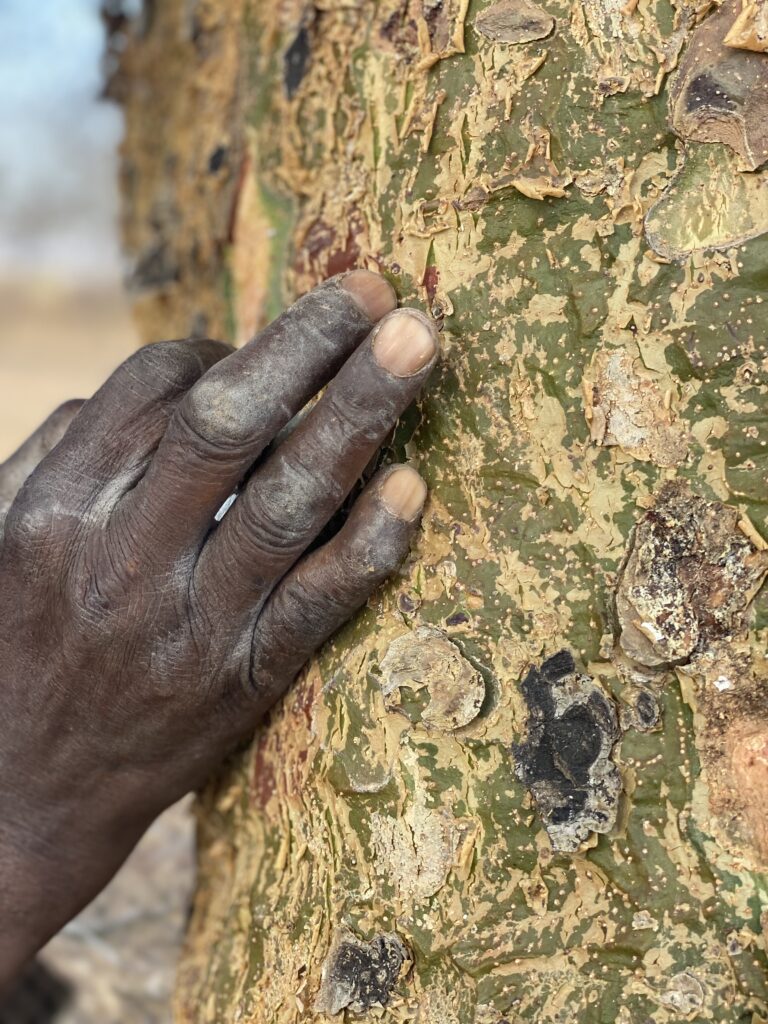
As this work develops, important questions often arise. Can traditional arts still be relevant in a globalized world? Can they offer real opportunities for young people today? The answer lies in how these practices are supported and structured. When combined with mentorship, documentation, education, and creative exchange, traditional arts can open pathways to livelihoods through performance, teaching, cultural tourism, and creative entrepreneurship. They also create spaces for dialogue between local and international artists, strengthening mutual understanding while respecting cultural roots. This balance between tradition and innovation keeps the work alive and meaningful.
Wrapping Up with Key Insights
Empowering youth through traditional arts and music is both a cultural responsibility and a practical investment in the future. By valuing indigenous knowledge, creating learning spaces, and supporting creative opportunities, communities can nurture confident young people who carry their heritage forward with purpose. The key insight is simple: when culture is treated as living knowledge, it becomes a source of strength, opportunity, and resilience. Readers are encouraged to reflect on how traditional arts can be supported in their own communities, not only as heritage to be preserved, but as a foundation for growth, connection, and sustainable futures.
Leave a Reply