
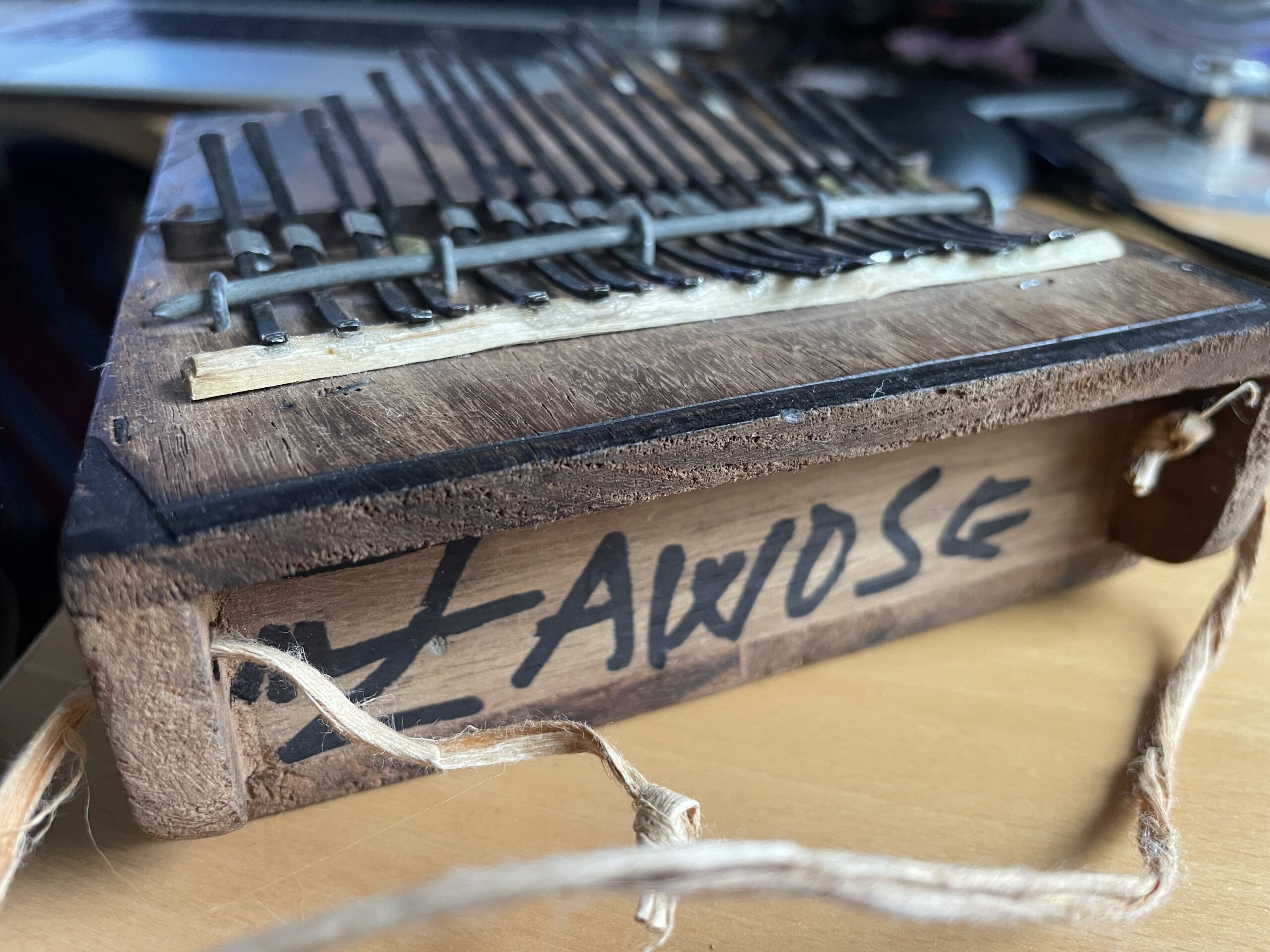
Traditional African instruments are more than tools for making music. They are vessels of history, identity, and communal memory, shaped by generations of knowledge and deep relationships with the natural environment. Across the continent, instrument making has long been a respected craft, where sound, material, and meaning come together. Exploring this craft helps us understand how music, culture, and daily life are inseparably linked in African societies.
Every instrument carries the voice of the land it comes from and the hands that shaped it.
The process of crafting traditional instruments is rooted in indigenous knowledge systems. Artisans carefully select materials such as specific woods, gourds, animal skins, reeds, and metals, guided by ecological awareness and ancestral experience. Instruments like the ilimba, marimba, ngoma drums, zeze, njuga, and flutes are built using techniques passed down through apprenticeship rather than written manuals. Each step, from carving and tuning to decoration, reflects cultural values, spiritual beliefs, and local aesthetics.
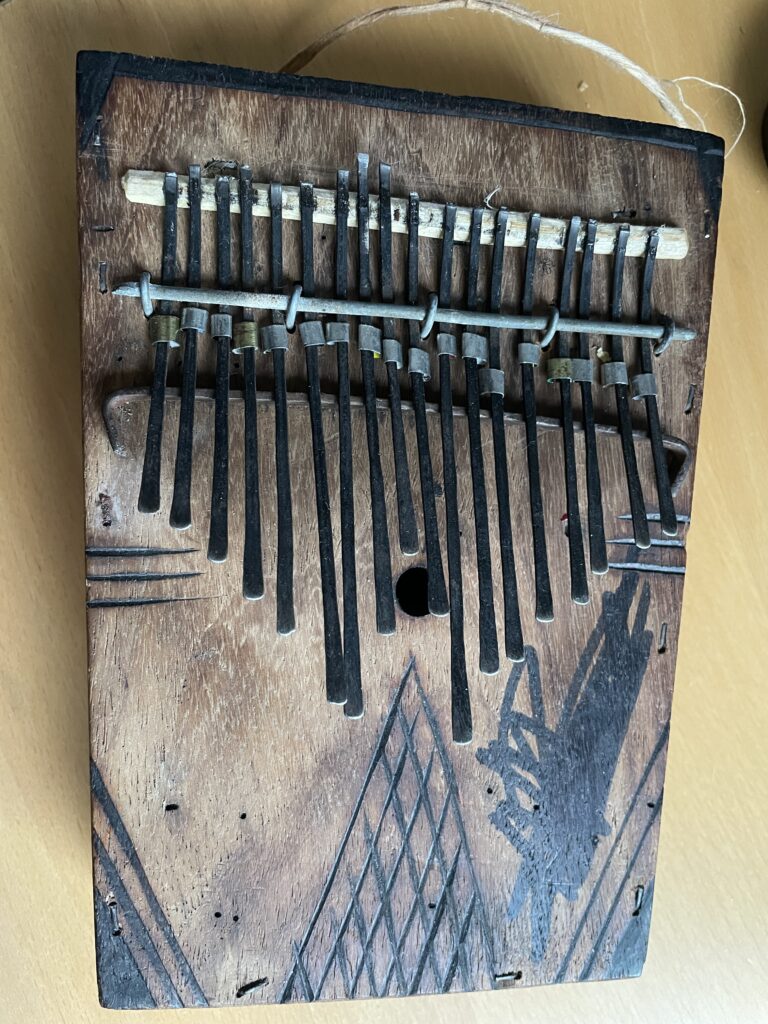
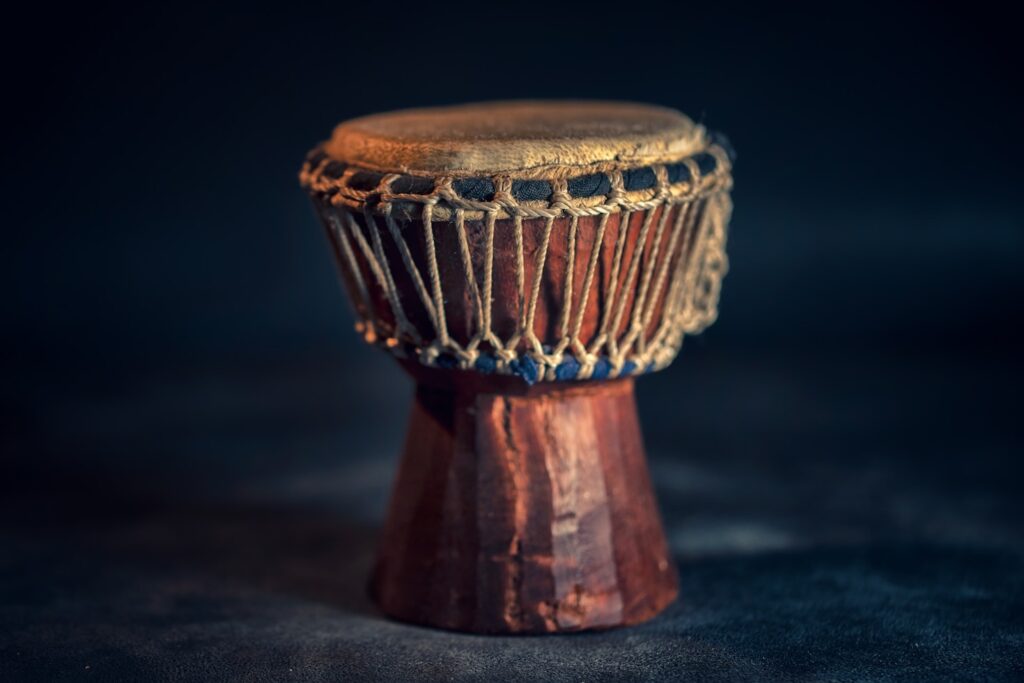
Beyond craftsmanship, these instruments play vital social roles. They accompany rituals, storytelling, healing practices, celebrations, and rites of passage. Learning how instruments are made allows younger generations to appreciate not only how they sound, but why they exist. In many communities, the maker is also a musician, teacher, and cultural custodian, ensuring that technical skill is always connected to cultural responsibility.
As modern influences and mass-produced instruments become more common, traditional instrument making faces growing challenges. However, renewed interest through workshops, mentorship programs, and cultural residencies is helping revive these skills. By supporting artisans and creating spaces for hands-on learning, communities can preserve this craft while allowing innovation and contemporary expression to emerge organically.
Exploring the craft of traditional African instruments reveals the deep knowledge, care, and cultural meaning embedded in every sound. Preserving these skills is essential for safeguarding musical heritage, strengthening cultural identity, and creating opportunities for youth to engage with tradition in meaningful ways. When instrument making is valued and practiced, music remains a living, evolving expression of community and continuity.
Leave a Reply