
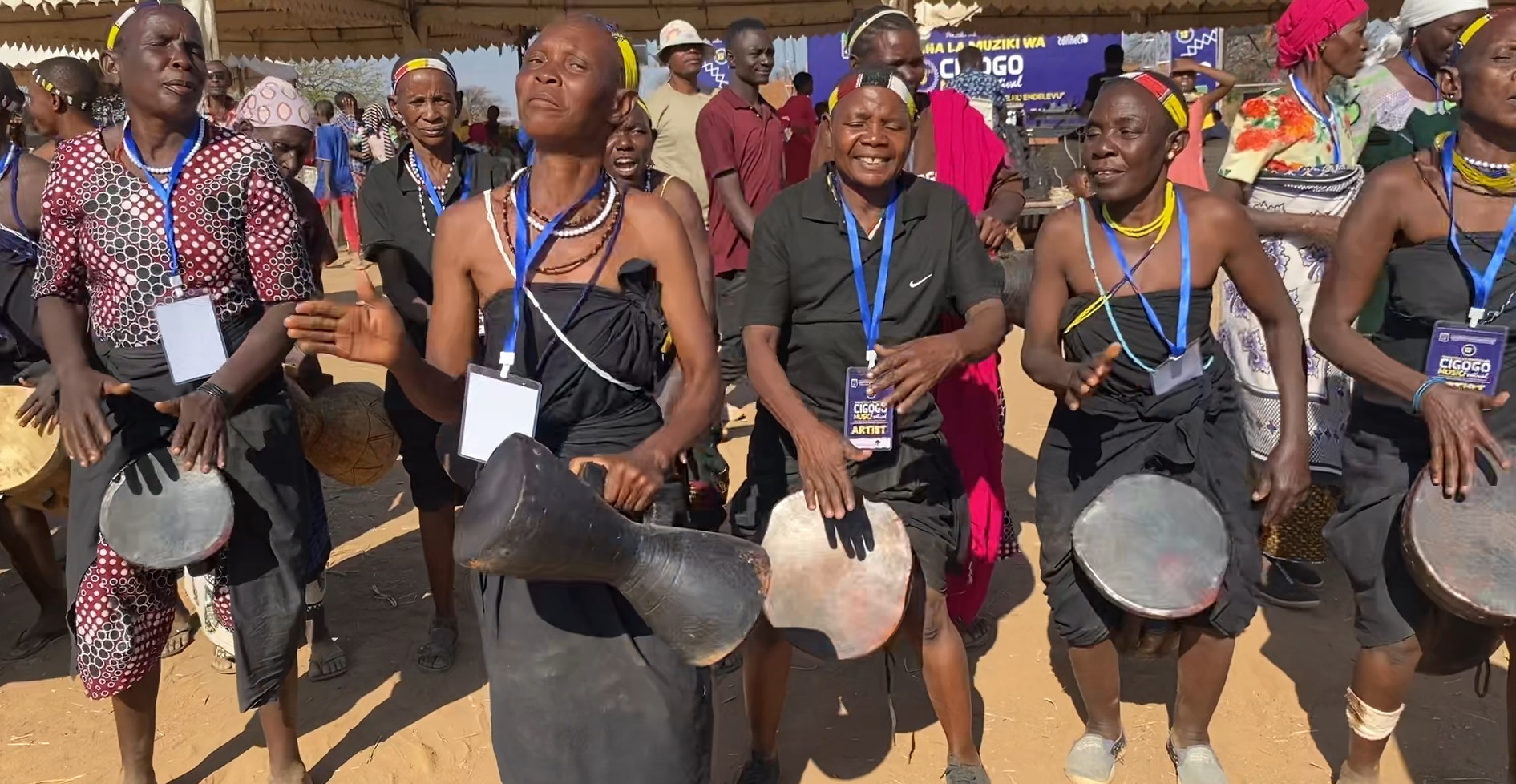
Music and the arts have long played a central role in shaping social values, environmental awareness, and community cohesion in Tanzania. Traditional songs, dances, and crafts often carry messages about land stewardship, seasonal cycles, and collective responsibility. Today, as communities face environmental pressure, economic uncertainty, and cultural erosion, music and the arts offer practical pathways toward sustainability. They create spaces where cultural heritage, education, and livelihood development intersect, supporting both people and the environment.
Culture sustains what policies alone cannot: respect for land, people, and memory.
Across Tanzania, traditional music and artistic practices are closely linked to sustainable ways of living. Instruments are made from locally sourced materials, performances mark agricultural seasons, and artistic gatherings strengthen community bonds. When these practices are supported and adapted thoughtfully, they become tools for environmental education and economic resilience. Cultural programs, workshops, and performances provide income for artists while promoting values of conservation, balance, and shared responsibility that are deeply rooted in indigenous knowledge systems.
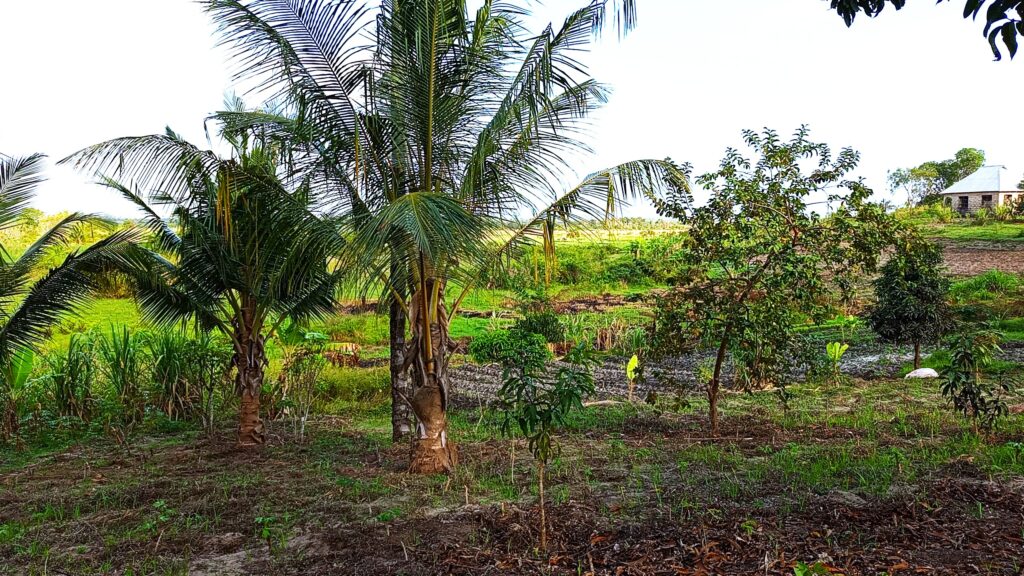
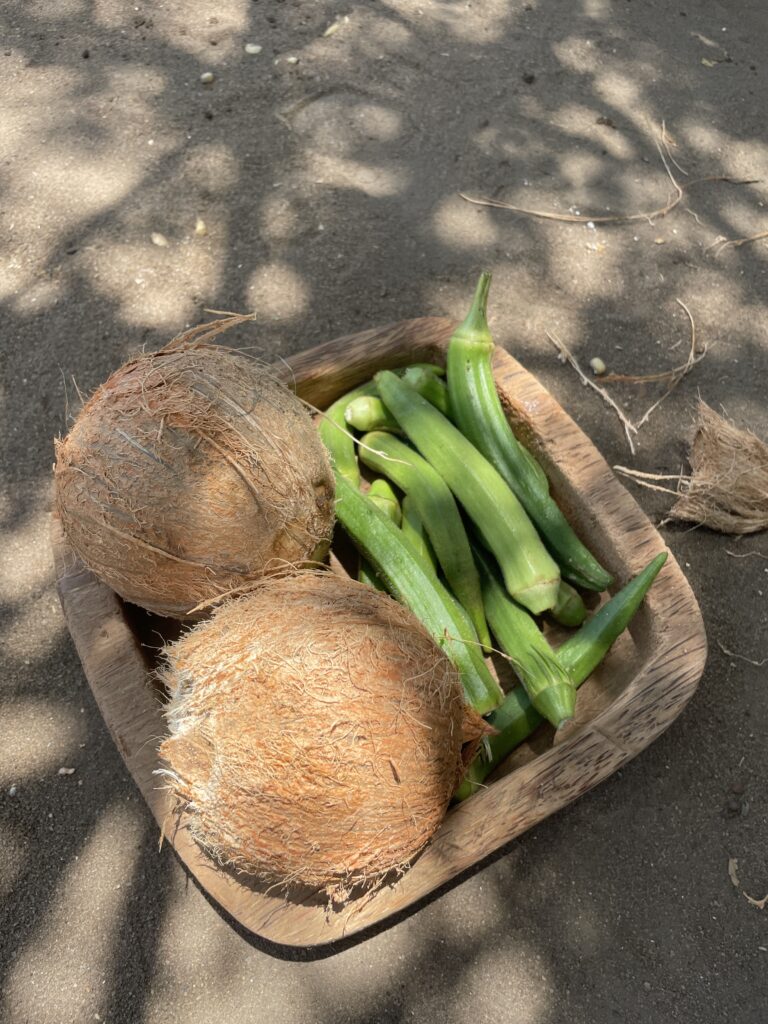
As communities explore new models of sustainability, the arts also open doors for innovation. Youth engagement in music, dance, visual arts, and storytelling creates opportunities for skills development, creative entrepreneurship, and cross-generational learning. At the same time, cultural tourism and residencies allow local traditions to reach wider audiences without losing their authenticity. When guided by community leadership and ethical practices, arts-based initiatives strengthen local economies while reinforcing cultural identity and environmental awareness.
Wrapping Up with Key Insights
Sustainability through music and arts in Tanzania is not an abstract concept but a lived practice grounded in tradition and creativity. By supporting cultural expression, communities protect heritage, generate livelihoods, and promote environmentally responsible values. The key insight is that sustainable development becomes more effective when it is culturally rooted and community-led. Music and the arts remind us that long-term sustainability depends not only on resources, but on the stories, skills, and values that guide how those resources are used.
Leave a Reply