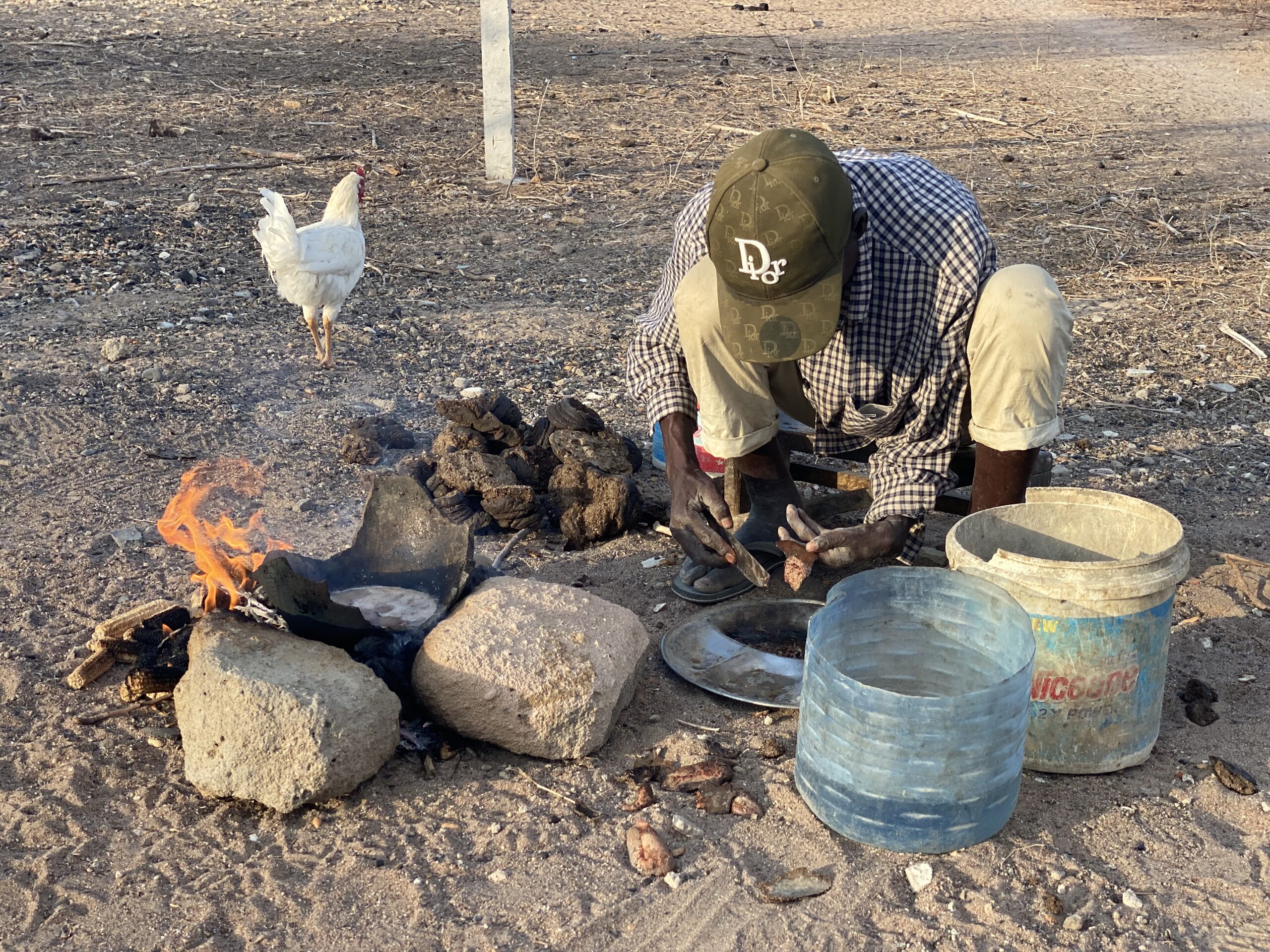
Documenting indigenous knowledge is essential for safeguarding cultural memory and ensuring that valuable traditions are not lost to time. Across many African communities, knowledge related to music, language, healing practices, agriculture, ecology, and storytelling has been passed down orally for generations. Today, this transmission is under threat due to modernization, migration, and the diminishing number of elders able to teach. Preserving this knowledge through documentation creates a lasting resource for future generations and allows communities to retain control over their cultural narratives. This work is not only about preservation, but about respect, continuity, and access.
What is remembered can be protected. What is shared with care can continue to live.
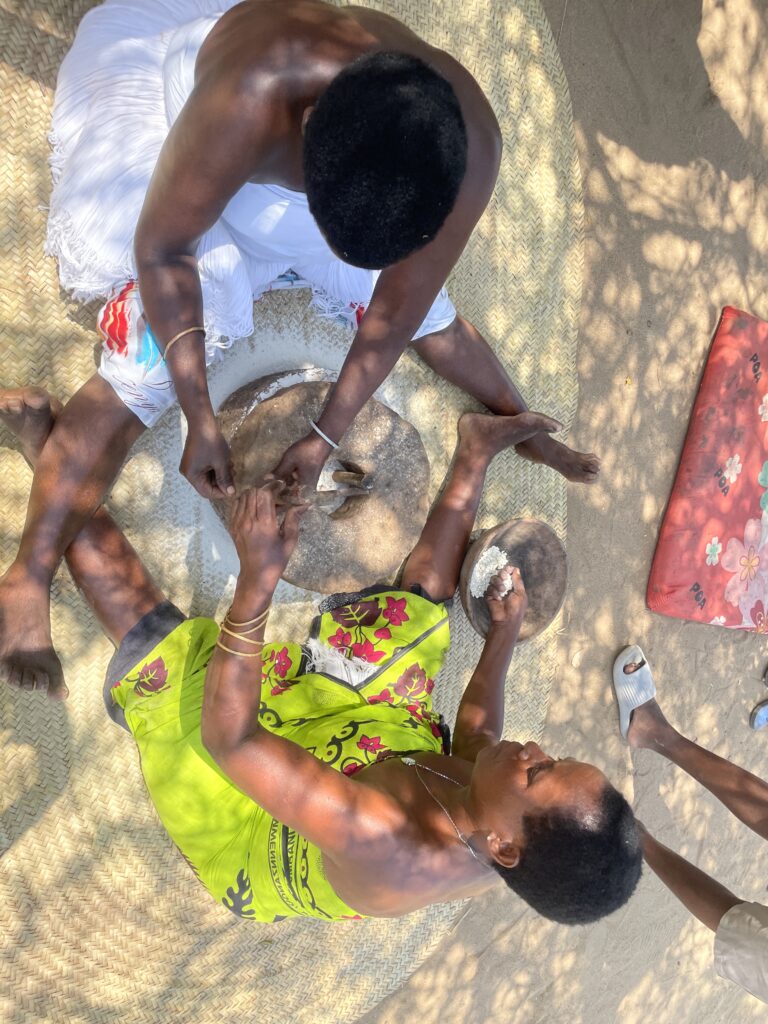
Indigenous knowledge holds practical and philosophical wisdom shaped by centuries of lived experience. Traditional songs encode history, farming practices reflect ecological balance, and oral histories carry ethical frameworks that guide community life. When these forms of knowledge are documented through audio, video, writing, and archiving, they become tools for education, research, and cultural revitalization. Documentation also supports elders by recognizing them as knowledge holders and creates opportunities for youth to learn directly from their communities rather than external sources.
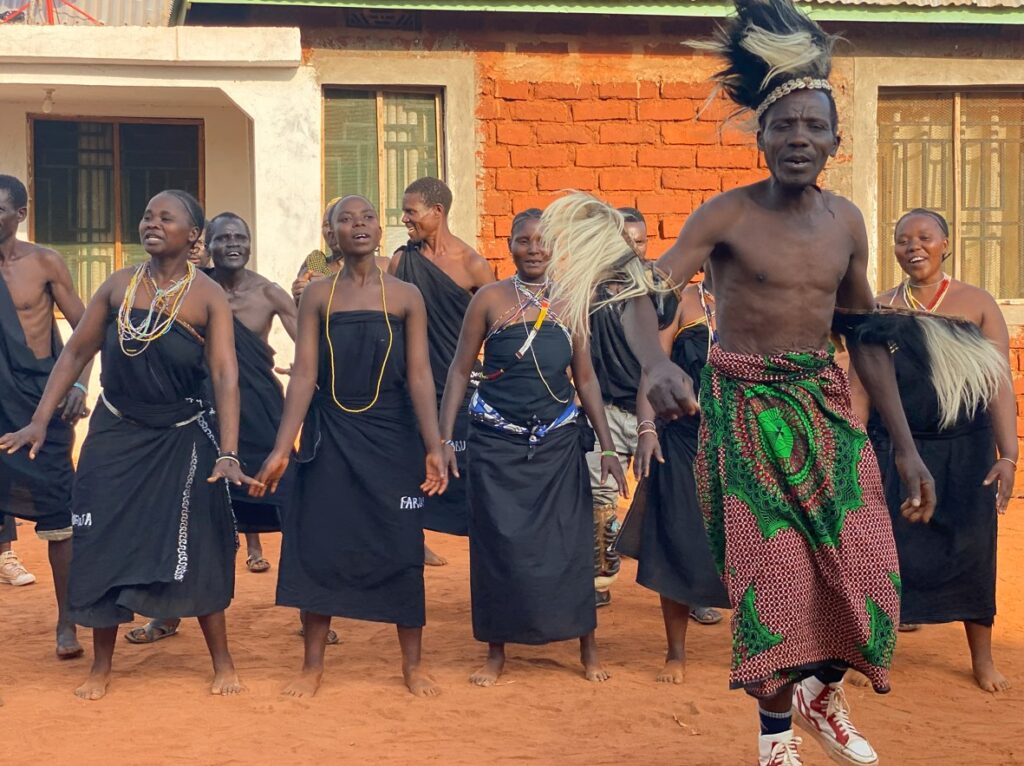
As this work expands, important considerations arise. Who documents this knowledge, and how is it used? Ethical documentation requires community consent, participation, and ownership. It must honor cultural protocols and ensure that knowledge is not exploited or misrepresented. When approached responsibly, documentation strengthens intergenerational dialogue and encourages collaboration between artists, researchers, and cultural practitioners. It also allows indigenous knowledge to be shared in contemporary spaces such as schools, cultural centers, and digital platforms, while remaining rooted in its original context.
The documentation of indigenous knowledge is a vital step toward cultural resilience and self-determination. By recording and archiving traditional practices, communities protect their heritage while creating educational and economic opportunities for future generations. The key insight is clear: indigenous knowledge is not static or obsolete, but living wisdom that deserves care, visibility, and continuity. Readers are encouraged to support initiatives that document culture ethically and to recognize that preserving knowledge today ensures stronger, more grounded communities tomorrow.
Leave a Reply