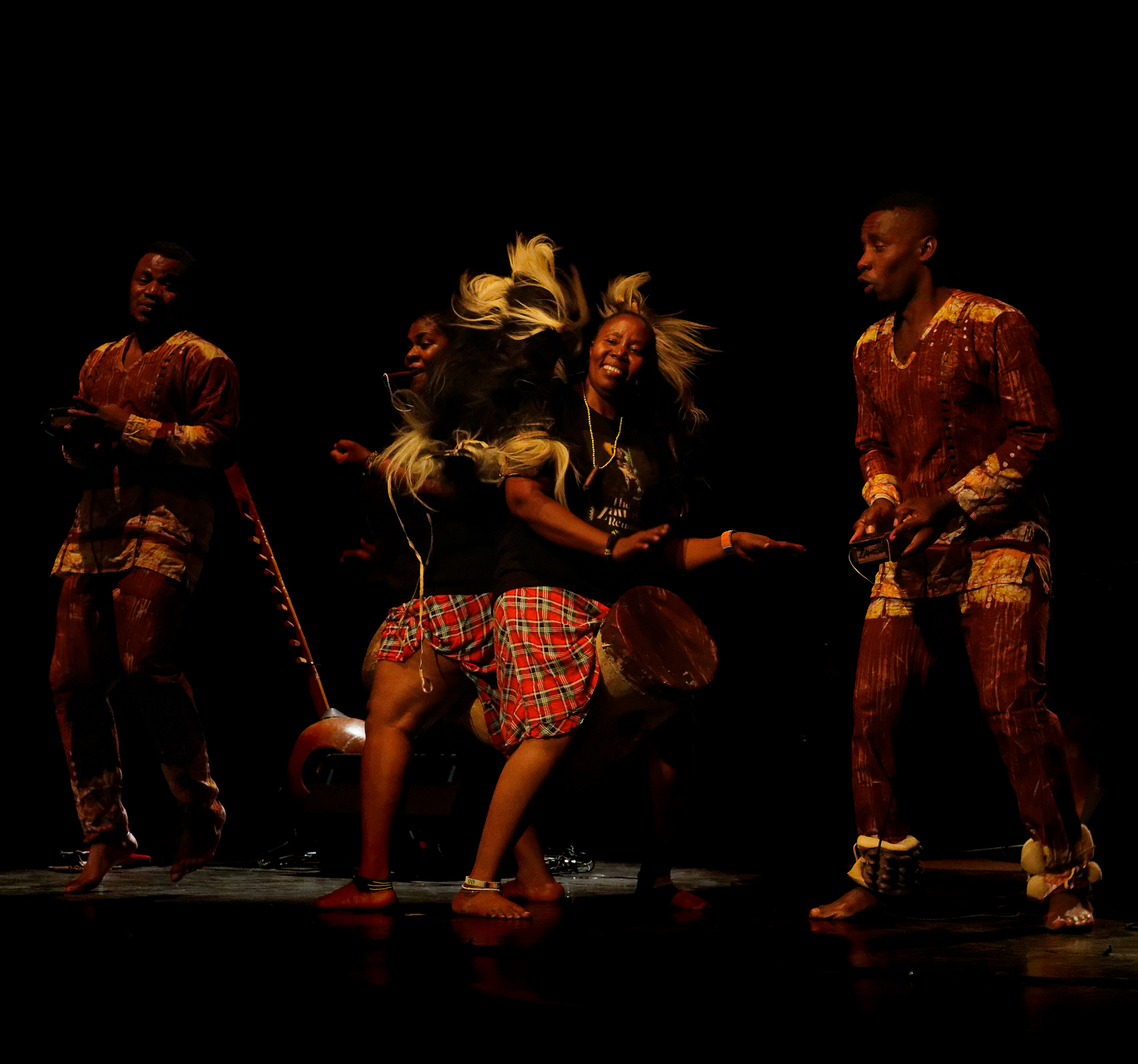
Music has long been at the heart of Tanzanian community life. From village gatherings and rites of passage to harvest celebrations and healing ceremonies, music is not simply entertainment but a shared language that brings people together. In many communities, songs, rhythms, and dances carry history, values, and collective memory, shaping how people relate to one another and to their environment. Understanding the role of music in community building reveals why its preservation remains essential today
When people sing and move together, they remember that they belong to one another.
Traditional music in Tanzania plays a central role in strengthening social bonds. Community performances create spaces where elders, youth, and children participate side by side, reinforcing intergenerational relationships. Through call-and-response songs, communal drumming, and dance, individuals learn cooperation, respect, and shared responsibility. Music becomes a tool for teaching social norms, resolving tensions, and affirming identity within the group.
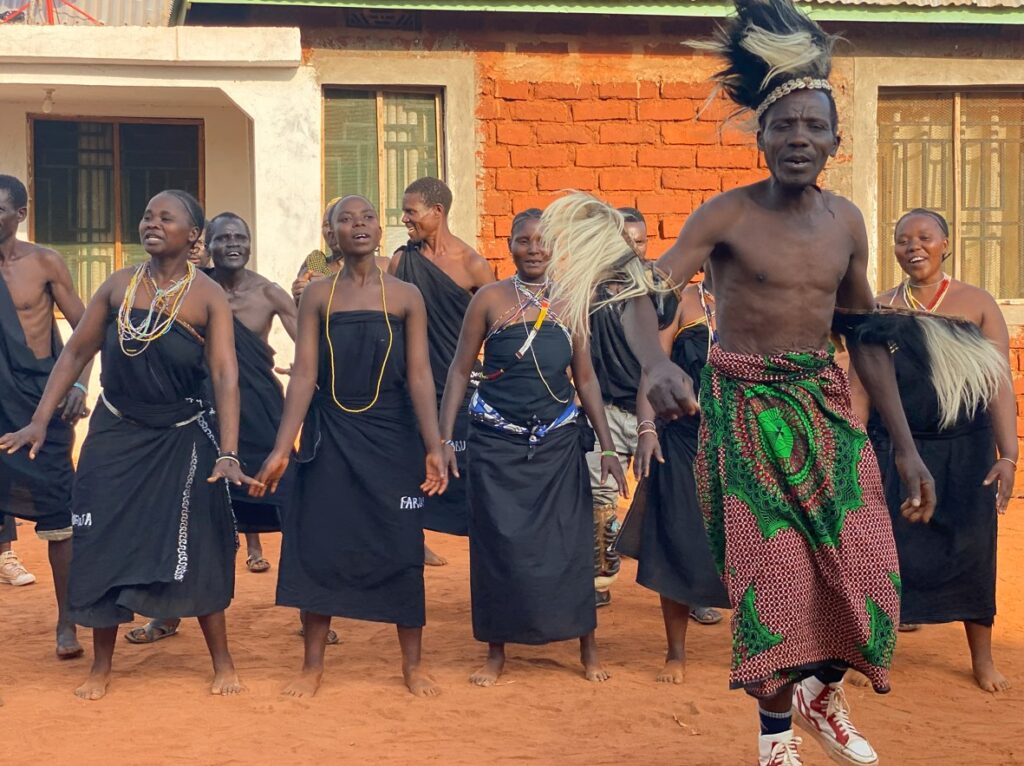
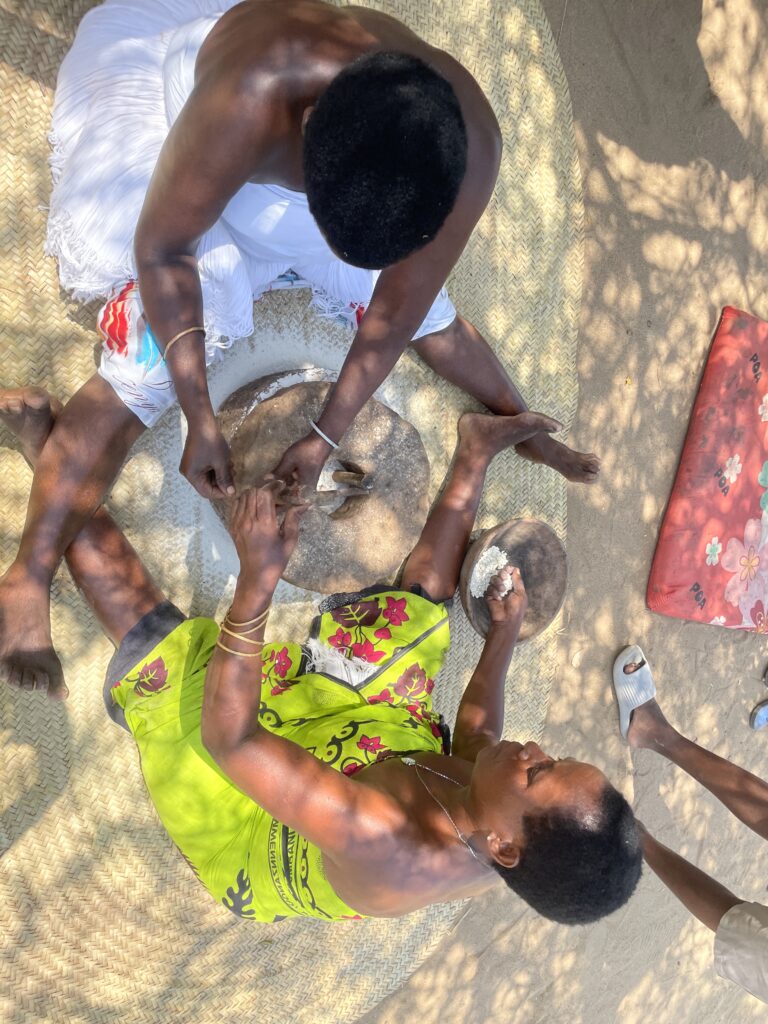
Beyond social cohesion, music also supports resilience and wellbeing. In times of hardship or transition, musical gatherings provide emotional support and collective healing. Songs often address real-life experiences such as migration, work, love, and loss, allowing communities to process change together. In this way, music supports mental and emotional health while maintaining continuity with cultural traditions.
Today, as urbanization and modernization reshape community life, traditional music remains a powerful anchor. When supported through education, documentation, and performance spaces, it continues to create opportunities for youth engagement, cultural pride, and community-led development. Music enables communities to adapt without losing their roots, ensuring that cultural identity remains a shared and living experience.
Music is a foundation of community building in Tanzania. It connects generations, strengthens social ties, and supports resilience in the face of change. By preserving and actively practicing traditional music, communities sustain not only their cultural heritage but also the values of unity, cooperation, and shared identity that hold them together.
Leave a Reply